AI चेकर
साहित्यिक चोरी चेकर
व्याकरण जाँचकर्ता
सामग्री की गुणवत्ता
दिशानिर्देश चेकर
पठनीयता चेकर
तथ्य जाँचकर्ता

Chrome एक्सटेंशन
MCP
Google और AI कंटेंट एक ऐसा विषय है जो 2025 में SEOs, डिजिटल मार्केटर्स और वेब पब्लिशर्स के लिए सबसे महत्वपूर्ण है।
इसमें कई सवाल और चिंताएँ शामिल हैं:
क्यों? खैर, मौजूदा मीडिया परिदृश्य में, ऐसा महसूस होना आसान है मानो AI-generated content हर जगह है, और यह चिंता बिना आधार के नहीं है।
सहायक एडिटिंग (जैसे AI grammar checking) से लेकर Google के एल्गोरिदम को गेम करने के उद्देश्य से पूरी तरह farmed AI-generated content तक — AI कंटेंट Google की खोज रैंकिंग में मौजूद है, और यह बना रहने वाला है।
इसके जवाब में, हमने Google खोज रैंकिंग में AI की मौजूदगी की डेटा-समर्थित, सांख्यिकीय गिनती देने का लक्ष्य रखा, ताकि इस सवाल का जवाब दिया जा सके: Google में कितना AI कंटेंट मौजूद है?
2019 की शुरुआत से आज तक 500 लोकप्रिय keywords से शीर्ष 20 खोज परिणामों का नमूना लेकर, हम खोज परिणामों में AI की saturation को GPT-2 के रिलीज तक पीछे जाकर ट्रैक कर रहे हैं।
On October 1, 2026, Google released an update to its Google Search Documentation for its Guidance on Generative AI Content.
The update refers to Google’s earlier publication on Search Quality Rater Guidelines for details on avoiding scaled content abuse and the risks of publishing low-quality content that doesn’t provide additional value to readers.
Further, it emphasizes that fact-checking AI content is critical before publishing due to the risk of AI hallucinations.
“...generative AI outputs may contain inaccuracies (also known as hallucinations). It is critical to manually factcheck and review all AI-generated content for accuracy and trustworthiness before publishing.” - Google (last updated: Oct-1-2026)
Google doesn’t just note that users should check the main content either. They also advise reviewing meta data (think meta descriptions, title elements, and alt-text for images).
While they don’t describe this guidance as a change to search algorithms, it’s clear that Google is increasingly adapting to a world of hybrid AI/human-written content and pushing to ensure that users continue receiving the highest quality content in search results.
अब, आइए Google पर शीर्ष खोज परिणामों में AI के प्रभाव को करीब से देखें।
2025 में Google में कितना AI है, इसके नवीनतम परिणाम देखने के लिए इस page के शीर्ष पर live dashboard देखें।
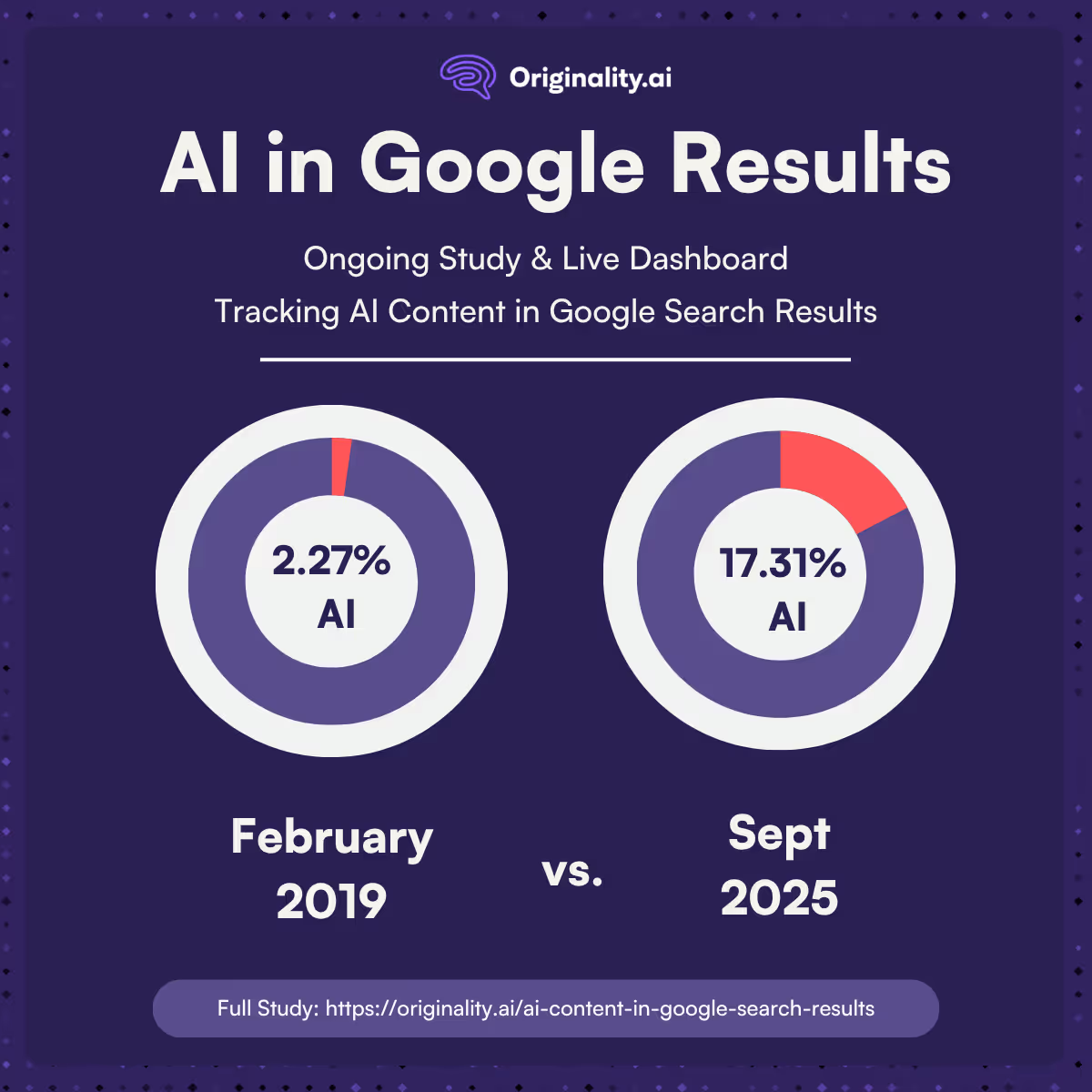
त्वरित उत्तर: सितंबर 2025 तक, शीर्ष 20 खोज परिणामों में से 17.31% AI-generated हैं।
तो, Google search में AI-generated content के इस dramatic प्रतिशत को किसने प्रभावित किया?
जो psychedelic dog-like face images और robotic, nonsensical text monologues के रूप में शुरू हुआ था, वह आधुनिक, बुद्धिमान और लगातार अधिक कठिन-से-पहचाना जाने वाला AI कंटेंट बन गया है जिसका सामना हम हर दिन करते हैं।
अब हर पढ़ा गया article, देखी गई image, और देखी गई video किसी भी जिम्मेदार editor या consumer के मन में एक छोटा paranoid सवाल पैदा करती है: “क्या इसे किसी इंसान ने बनाया?”
स्पष्ट ChatGPT sayings और आम तौर पर इस्तेमाल होने वाले ChatGPT शब्दों और phrases के बावजूद, जो अक्सर लोगों को यह सोचने पर मजबूर करते हैं कि AI-generated text पहचानना आसान है, वास्तविकता यह है कि कई studies ने पाया है कि इंसान AI कंटेंट का पता नहीं लगा सकते।
नए AI models की प्रतीत होती निरंतर releases के साथ, editors, publishers, और marketers के लिए इसका क्या मतलब है?
2025 में, पारदर्शिता स्थापित करने और आत्मविश्वास के साथ publish करने के लिए editorial process के हिस्से के रूप में AI detection को शामिल करना आवश्यक है।
सामान्य तौर पर, हमारे अध्ययन के दौरान, कुछ महीने-दर-महीने उतार-चढ़ाव और गिरावट के बावजूद, हमने AI कंटेंट की लगातार बढ़ती मौजूदगी पाई है।
GPT-2 से पहले जब इसे public के लिए जारी किया गया (2019 में), AI कंटेंट केवल 2.27% sampled websites में detected हुआ था।
तब से, ChatGPT (2022) से GPT-4 (2023 - जो तब से retired हो चुका है), GPT-4o (2024), और GPT-4.5 (2025 में research preview के रूप में) तक लगातार OpenAI GPT model releases के साथ, AI models increasingly accessible हो गए हैं।
और… Google में AI कंटेंट का प्रतिशत कुल मिलाकर ऊपर की ओर trend करता रहा है।
आज, AI कंटेंट 17.31% के उच्च स्तर पर बना हुआ है, हालाँकि यह जुलाई 2025 में 19.56% के अपने all-time high से घट गया है।
यह समझना कि Google और अन्य search engines आपके content को कैसे देखते हैं, content leader के रूप में आपकी site की integrity और authority बनाए रखने के लिए महत्वपूर्ण है।
तो, क्या AI spam है, और क्या Google AI content को spam मानता है?
AI-generated content के प्रति Google के approach और क्या AI content site reputation को प्रभावित कर सकता है, इस पर perspective देने के लिए, पहले, आइए Google की helpful content policy देखें।
Google ने हमेशा users को high-quality, relevant information प्रदान करने पर focus किया है।
वे चाहते हैं कि लोग उनके search engine का उपयोग जारी रखें। इसलिए, वे अपने results को searchers जो खोज रहे हैं उसके जितना करीब tailor करते हैं, उतना बेहतर।
Google की helpful content guidelines उस चीज़ का पालन करती हैं जिसे वह E-E-A-T: Expertise, Experience, Authoritativeness, and Trustworthiness. कहता है।
यह people-first content को प्राथमिकता देता है जो readers (search engines नहीं) के लिए बनाया गया है और इस प्रकार unique value और insights प्रदान करता है।
सबसे पहले और सबसे महत्वपूर्ण, Google content की quality की परवाह करता है।
2023 में प्रकाशित Google की AI-generated content guidelines, mass-produced content के प्रति उनके historical approach का संदर्भ देती हैं:
“लगभग 10 वर्ष पहले, mass-produced yet human-generated content में वृद्धि को लेकर समझने योग्य चिंताएँ थीं। इसके जवाब में हमारे लिए सभी human-generated content पर प्रतिबंध घोषित करना किसी ने भी उचित नहीं समझा होता। इसके बजाय, quality content को reward करने के लिए अपने systems को बेहतर बनाना अधिक समझदारी भरा था, जैसा हमने किया।” - AI-generated content के बारे में Google Search's guidance
तदनुसार, वे AI के उचित उपयोग को स्वीकार्य मानते हैं, जब तक यह Google की guidelines का पालन करता है।
उदाहरण के लिए, जहाँ routine content production helpful automation का उपयोग करता है — दिए गए weather forecasts और sports scores के उदाहरणों के साथ — Google के पास पहले से ऐसे mechanisms मौजूद हैं जो इन्हें helpful automations के रूप में पहचानते हैं।
वे समझते हैं कि automation, जब ठीक से उपयोग किया जाए, value प्रदान करने के लिए लगातार innovating कर रहा है।
AI में उनके अपने investment पर विचार करें, जैसे Gemini और search के भीतर AI के integrations, जैसे AI Overviews जिन्हें 2024 में जारी और फिर विस्तारित किया गया, जो search results के शीर्ष पर quick AI-generated summaries प्रदान करते हैं।
हालाँकि, search engine rankings में हेरफेर करने के लिए विशेष रूप से बनाया गया AI content spam policies का पालन नहीं करता और इसकी अनुमति नहीं है।
“scaled content abuse के examples में शामिल हैं, लेकिन इन्हीं तक सीमित नहीं हैं: users के लिए value जोड़े बिना कई pages generate करने के लिए generative AI tools या अन्य समान tools का उपयोग करना…” - Google की Spam Policies
2025 में, Google ने अपनी Search Quality Rater Guidelines updated कीं, यह जोर देते हुए कि यदि किसी page का पूरा या लगभग पूरा मुख्य content AI-generated है और बहुत कम या कोई originality जोड़ी गई है, raters को सबसे कम rating लागू करनी चाहिए।
“Lowest rating लागू होती है यदि page पर मौजूद MC का पूरा या लगभग पूरा हिस्सा (text, images, audio, videos, etc सहित) copied, paraphrased, embedded, auto or AI generated या अन्य sources से reposted है, जिसमें little to no effort, little to no originality, and little to no added value…” - 2025 Google Search Quality Rater Guidelines
हमने पाया कि अगस्त 2022 में पहली बार पेश की गई Google की helpful content policy के implementation के बाद भी, machine-content saturation फिर भी बढ़ी।
हालाँकि, यह उल्लेखनीय है कि ChatGPT के माध्यम से general public के लिए AI की introduction के साथ, हमें Google में AI content में spike देखने की उम्मीद थी, जिसे हमारा data confirm नहीं करता।
यह सुझाव देता है कि Google की helpful content और spam policies कम से कम AI spam को दूर रखने में आंशिक रूप से सफल रही हैं।
AI SEO में मदद भी कर सकता है और बाधा भी डाल सकता है। जबकि यह सच है कि AI writing आपको तेजी से content बनाने में मदद कर सकती है या कोई AI SEO tool material को fresh रखने और visitors को वापस लाने के लिए content optimization tips recommend कर सकता है, गलत तरीके से उपयोग होने पर, यह SEO efforts को नुकसान भी पहुँचा सकता है।
Google इतना smart है कि AI content का पता लगा सके जो keywords से भरा हुआ, low quality, या repetitive है।
इसके अलावा, Google अपने search quality raters को सलाह देता है कि जब किसी page का main content पूरी तरह या अधिकतर AI से generated हो, तो उसे lowest quality माना जाना चाहिए।
Raters जो feedback देते हैं, वह SERP में rankings को सीधे प्रभावित नहीं करता। हालाँकि, feedback Google के algorithm improvements के approach को प्रभावित कर सकता है।
हाँ, Google AI spam को दंडित करता है, जैसा कि Google के March 2024 update पर हमारे अध्ययन में पाया गया।
यहाँ अध्ययन का एक quick snapshot है:
पूरा अध्ययन पढ़ें: क्या Google Detect कर सकता है और क्या यह AI Content को Penalize करता है?
Google और Google search raters द्वारा की जा सकने वाली actions के अलावा। AI user engagement घटाकर आपके SEO को indirectly भी प्रभावित कर सकता है।
यदि users वह नहीं पा सकते जो वे खोज रहे हैं, तो वे site छोड़ देते हैं, जिसके परिणामस्वरूप high bounce rates होते हैं जो search engine को बताते हैं कि site users को relevance और value प्रदान नहीं कर रही है।
जब ऐसा पर्याप्त बार होता है, तो page की ranking गिरती है या search results से गायब भी हो सकती है।
Google में AI की बढ़ती मौजूदगी को कम करके नहीं आँका जाना चाहिए।
Large Language Model (LLM) आधारित AI tools बहुत बड़े human content datasets पर trained होते हैं, जिन्हें अक्सर automated scraping/crawling process के माध्यम से internet से sourced किया जाता है (जिसके परिणामस्वरूप कई ChatGPT lawsuits हुए हैं)।
यदि सावधानी से curated नहीं किया गया, तो जैसे-जैसे internet AI-generated content से अधिक और अधिक saturated होता जाएगा, ये training datasets भी वैसे ही होंगे।
मई 2023 का एक study सुझाव देता है कि machine-generated content वाले datasets पर LLM training की कई iterations के माध्यम से, models अधिक generic और predictable results generate करते हैं और समय के साथ अपने learning task को गलत समझने की अधिक संभावना रखते हैं।
इसे offset करने के लिए, authors भविष्य की model learning के लिए non-machine-generated training materials की निरंतर availability के महत्व पर जोर देते हैं।
GPT और अन्य AI models के future models के रास्ते में अच्छी तरह होने और websites में AI content की लगातार बढ़ती दर के साथ, उक्त datasets को source करना अधिक और अधिक कठिन होता जाएगा।
.webp)
इस project का data collection phase इस लक्ष्य के साथ design किया गया था कि informational keyword search करने के बाद Google पर दिखाई देने वाले average results का representative sampling generate किया जाए।
हमने प्रत्येक step को automate किया, जिससे हम data की बड़ी quantities analyze कर सके। यह process हमारे लिए novel है, और हमें विश्वास है, general search engine community के लिए भी।
हमारे study के लिए data points seed करने हेतु, 500 Google Search keywords चुने गए, जिनसे बने resulting set में निम्नलिखित properties थीं:
Keywords informational थे; यानी, इन्हें किसी question का answer खोजते समय search किया जाता है। Informational keywords बड़े amounts में article text वाले search results generate करते हैं, जिससे वे AI Scanning के लिए अच्छे targets बनते हैं।
Example keywords include: “how to screenshot on mac”, “best albums of all time”, और “what are carbohydrates”.
चुने गए keywords के set में सभी informational keywords के set जैसी similar search volume (read: popularity) distribution है।
समझाने के लिए: कल्पना करें कि हम शीर्ष 100 informational keywords का प्रतिनिधित्व करने के लिए 10 keywords चुन रहे हैं। यदि top keywords के 10% (यानी, दस) का search volume 2,000/month था, तो हमारी methodology के अनुसार, हमारे चुने गए 10 keywords में से 10% (यानी, एक) का search volume 2,000 होगा।
Keywords में समय के साथ popularity और/या search volume में बड़े fluctuations नहीं होने चाहिए। Movies, sports events, video game releases, etc से जुड़े keywords पर विचार नहीं किया गया।
प्रत्येक keyword के लिए, हमने उनके respective top 20 search results खोजने के लिए एक search engine optimization (SEO) tool का उपयोग किया। हमने इस process को हर दूसरे महीने, जनवरी 2019 से वर्तमान तक, repeat किया, जिसके परिणामस्वरूप प्रत्येक two-month period के लिए 10,000 websites की list बनी।
Websites/time period की प्रत्येक list के लिए, हमने Internet Archive में जाँच की कि उसके respective period के भीतर website snapshot उपलब्ध था या नहीं। यदि snapshot उपलब्ध था, तो हमने Archive snapshot से main article text extract करने के लिए Arc90 Readability Algorithm के port का उपयोग किया।
सभी scraped text को data cleaning process से गुजारा गया, extraneous white space और अन्य punctuation artifacts ठीक किए गए, citations और footnotes जैसे अधिकांश non-article text हटाए गए और यह सुनिश्चित किया गया कि सभी text Originality.ai AI detector से run करने के लिए पर्याप्त लंबा हो।
YouTube और Reddit जैसी article-based न होने वाली websites से text हटाया गया।
फिर text को Originality.ai detector से run किया गया, और उसका score record किया गया।
चूँकि originality score detector के confidence को दर्शाता है कि text में 0 से 1 तक AI है, हम 0.5 या उससे ऊपर के score को positive AI detection मानते हैं।
.webp)
यदि आप AI content का उपयोग करने की योजना बनाते हैं और अपना SEO maximize करना चाहते हैं, तो आपको two-pronged plan चाहिए। इसका मतलब है AI की efficiency को human oversight के साथ combine करना।
AI unique ideas और content briefs या outlines बनाने में बेहतरीन है। एक step back लें और AI का उपयोग उसी के लिए करें जिसमें यह सबसे अच्छा है। यह trends देखने और उन topics को brainstorm करने के लिए incredibly efficient है जिन्हें आपकी audience पसंद करेगी। फिर, writing itself आपको, content creator को, ही करनी सबसे अच्छी है।
AI आपकी audience को आपके जैसी तरह नहीं जानता, और अपनी सारी training के बावजूद, यह उन insights को “learn” नहीं कर सकता जो आपने उस audience के साथ काम करके विकसित किए हैं।
वे insights वही चीज़ें हैं जिनकी आपकी audience तलाश कर रही है और जो आपकी site को Google पर higher rank करने में मदद करेंगी। अंत में, content लिखे जाने के बाद, human editors final draft को publishing के लिए refine और polish कर सकते हैं।
AI use की instances identify और highlight करने के लिए AI Checker का उपयोग करें। फिर, grammar, flow, clarity, और readability के लिए edit करें।
अपनी unique voice incorporate करें और keywords को unnatural तरीके से sprinkle करने या unusually superfluous vocabulary से बचें।
यदि आप content creation के लिए AI का उपयोग करने का निर्णय लेते हैं, तो अपनी organization के code of ethics के अनुसार AI के उपयोग का disclosure करें। AI को catch-all writing solution के बजाय एक tool के रूप में open और transparent रखना trust cultivate करने में आपकी मदद करेगा।
मूल रूप से, आप search engine के लिए नहीं लिख रहे; आप humans के लिए लिख रहे हैं। जब आप ऐसा content लिखते हैं जो interesting, engaging, unique, और relevant है, तो Google notice करता है। ऐसा लगातार करने से आपकी authority और authenticity build होती है।
आप और क्या कर सकते हैं ताकि ऐसा content बनाया जा सके जिसे Google और अन्य search engines पसंद करें?
यहाँ कुछ best practices हैं:
एक style guide बनाएँ जिसमें वह tone, style, और structure शामिल हो जिसे आप अपने content से follow करवाना चाहते हैं। जितना अधिक specific, उतना बेहतर। AI अपनी countless hours of training के अनुसार लिखता है। एक human के रूप में, आपने एक style और voice विकसित की है जिसे आपकी audience seek out करेगी।
AI बड़े space में बहुत कम कहने में अच्छा है, क्योंकि यह broad topics पर fluff और filler के साथ लगातार blather करता रहता है, और यही वह चीज़ है जिससे Google और आपके site visitors बचना चाहते हैं।
ऐसा content बनाएँ जो user के questions का directly और genuinely answer देता हो।
AI topic और उस vast amount of data के आधार पर तेजी से “writes” करता है जिस पर इसे trained किया गया है। यह मूलतः एक numbers game खेल रहा है जो real human writing की नकल करता है।
ऐसा करते समय, इसमें facts बना लेने (जिन्हें AI hallucinations कहा जाता है) और संभवतः unrelated tangent पर चले जाने की tendency होती है।
यहीं natural human language (और fact-checking) काम आती है।
आपके anecdotes, examples, stories, और insights आपको edge देते हैं, जबकि fact-checking content आपकी publications में validity जोड़ता है (और AI book list scandal जैसे scenarios रोकने में मदद करता है)।
लोग आपके content को आपके observations और experiences सुनने के लिए पढ़ते हैं।
अपने content को नियमित रूप से review और revise करने के steps लें। भले ही आपने कुछ months पहले कुछ लिखा हो, कई industries तेजी से बदलती हैं। वापस जाएँ और old articles को fresh new information के साथ update करें जो Google को संकेत दे कि आपका content relevant है।
दो बातें स्पष्ट हैं: AI content अधिक present होता जा रहा है, और Google unhelpful AI content को दूर रखने के अपने efforts बढ़ा रहा है।
Originality.ai जैसे tools का उपयोग यह ensure करने में मदद कर सकता है कि आपकी website पर content original, helpful है, और search engine results के लिए Google के rules के भीतर अच्छी तरह काम करता है।
Sources: Ilia Shumailov et al. (2023). The Curse of Recursion: Training on Generated Data Makes Models Forget. Retrieved from arXiv:2305.17493

गंभीर कंटेंट प्रकाशकों के लिए AI & साहित्यिक चोरी डिटेक्टर
Originality.ai
64 Hurontario St
Collingwood, Ontario
L9Y 2L6